





Access Beyond Duelbits Login
Getting into an account is only the visible first step. What matters next is whether a player can move from entry to balance review, category selection, and session control without confusion. For readers in Canada, that practical side matters more than flashy design, because most people want a clean start, not extra friction.
Imagine opening the platform during a short break. You have ten free minutes, not an hour. In that situation, a smooth access flow matters because every extra prompt slows the session and increases the chance of mistakes.
Good habits help immediately: keep your login details stored safely, use a private device when possible, and check that your contact information in the profile is accurate. Small steps at the beginning often prevent larger problems later, especially when the account is reviewed during a payment request.
What To Prepare Before The First Session
The easiest sessions usually start before the first sign-in. A player who has already chosen a secure password, checked email spelling, and prepared one payment method tends to move through the platform with less stress. Most early issues come from rushed data entry, not from complex technical failure.
If you are setting up the account and plan to play right away, take two slow minutes and reread every field. Usually players rush through profile creation, then discover later that one typo in a phone number or date creates extra work when the account needs confirmation.
What Duelbits Casino Login Means In Daily Use
Daily use is different from first access. A returning player is not asking, "Can I get in?" The real question is, "Can I get in, review the balance, find the right section, and manage the session without wasting momentum?" That is where a platform either feels practical or irritating.
For many users in Canada, account access becomes part of routine. They sign in after work, check available funds, scan game categories, maybe place a sports pick, and decide whether the session should last ten minutes or an hour. When the dashboard supports that pattern, the experience feels controlled.
Picture someone logging in from home after a long shift. They do not want to dig through several menus just to find recent activity or payment history. Usually players stay calmer when the essential controls are easy to spot: balance, support, limits, and account settings.
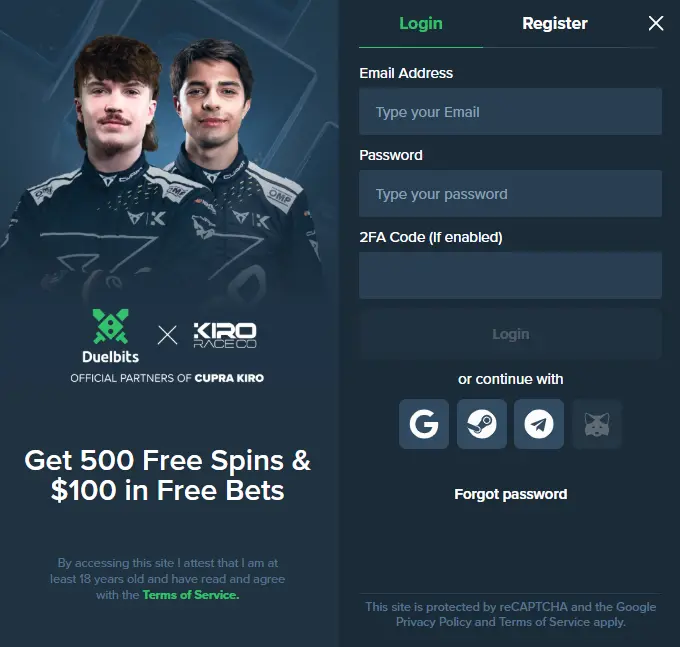
Registration First, Then Secure Entry
Before regular use becomes routine, the account has to be built correctly. That means accurate personal details, a strong password, and an email or phone number that can actually receive verification messages. None of this is exciting, but it supports everything that follows.
A common mistake is assuming profile setup can be fixed later with no consequences. Sometimes it can. Often it creates extra friction during payment checks, control settings, or support conversations. If the information looks inconsistent, the process becomes slower even when the player is acting honestly.
Imagine creating a profile on the bus while switching between apps and typing from memory. That is exactly how mismatched details happen. A better habit is to complete registration in one calm sitting, then test the account with a short session before making bigger decisions.
Security also works best when it feels practical. Use a unique password, turn on extra verification if it is available, and review account activity from time to time. These steps do not remove every risk, but they make basic account recovery much easier.
Common Reasons Access Gets Slower
Most delays come from familiar patterns: forgotten passwords, old email addresses, repeated attempts from several devices, browser autofill errors, or unstable public internet. Usually the problem appears when the player is in a hurry and starts tapping through prompts without reading them carefully. Picture someone trying to enter an account from a station while the connection changes every few seconds - extra confirmation at that point is not unusual.
How To Recover Control Without Stress
The worst reaction to an access issue is random repetition. When people try several password versions, request multiple reset emails, and switch devices in the middle of the process, they often make the situation look more complicated than it is.
Start with the basics: correct email, correct keyboard language, stable connection, and one device only. If a reset is needed, finish the full process before trying anything else. Imagine sitting down for five focused minutes instead of solving it while walking outside - that change alone often saves time.
Payments, Limits, And Session Planning

Once access feels stable, the next question is money movement. A platform can seem simple until the user needs to deposit, review a pending cash-out, or understand how a chosen method fits the session. That is why payment planning should happen before emotions take over.
Many players in Canada do better when they choose one main deposit method and one backup, then set a spending boundary before opening the lobby. The goal is not rigid control of every minute. The goal is to remove impulsive decisions.
Imagine someone topping up the balance in several small bursts because no limit was chosen in advance. That player often loses track faster than the person who entered one planned amount, played it through, and then stopped to review the session.
Feature | What To Check Before You Play | Why It Matters |
|---|---|---|
Deposit method | Processing flow, currency fit, and ease of repeat use | Fewer rushed decisions |
Withdrawal route | Name match and profile readiness | Smoother cash-out requests |
Session budget | Daily amount and personal stop point | Better spending control |
Transaction history | Pending items and completed requests | Easier tracking |
Account tools | Breaks, limits, and activity view | Helps organize play |
It is also wise to separate gaming money from everyday spending funds. Use a budget you can track clearly, and review it before and after each session. In practice, methodical players usually keep better control than impulsive ones.
Mobile Access During Busy Days
A lot of sessions begin on a phone, not a desktop. That changes everything. Small screens reward clarity, large buttons, and short loading paths. They punish clutter immediately.
For users in Canada moving between work, transit, and home, mobile access often decides whether the platform feels convenient at all. If the account area is clean and the essential controls sit near the top, the experience feels efficient. If menus go too deep, frustration arrives quickly.
Imagine opening the platform with one hand while checking other notifications. Usually players in that situation need one focused action - sign in, review balance, continue play, or check a payment - and then leave. Good mobile design supports that short-session habit.
Keeping The Experience Smooth On Smaller Screens
The most useful improvements are often personal. Update the browser, avoid too many open tabs, and use stable connectivity. If the page starts lagging, do not keep forcing reloads while tapping payment buttons. Imagine trying to finish a top-up in an underground station with weak signal - waiting for a better connection is safer than guessing what has already gone through.
Responsible Play Tools And Control
Any serious article about account access should also talk about session control. The easier it is to enter a platform, the more important it becomes to manage time, money, and emotional pace after entry.
Most people do not begin a session expecting to lose track of time. They start with a plan, then one near miss or one recovery attempt stretches the session longer than intended. Tools such as spending limits, breaks, timeout settings, and self-exclusion options matter because they create friction exactly where impulsive behavior usually speeds up.
Picture a player who planned a short evening session but keeps chasing the idea of ending on a better note. Without a preset stop point, that thought can drag on. With control tools already activated, the platform can interrupt the pattern before the situation gets worse.
This matters especially for adults in Canada using the platform as entertainment, not as an answer to financial pressure. The healthiest approach is simple: treat play as optional, budgeted leisure. If the mood shifts or the spending stops feeling deliberate, step away early and use the built-in controls.
Support, Verification, And Practical Problem Solving
Support matters most when something feels small but urgent: a reset email that does not arrive, a pending cash-out that feels slow, or a document request that appears at the wrong moment. These situations shape trust more than marketing ever will.
Verification is similar. Players often think of it as an obstacle until they need the advantages of a checked profile - smoother payment review, better proof of account ownership, and fewer repeated questions later. The smartest move is to treat profile confirmation as routine maintenance.
Imagine a user who waits until the first withdrawal request to open the documents section. That person often feels blocked because the request appears exactly when speed matters most. Usually players have a better experience when they review the profile area earlier and prepare clear documents before pressure rises.
When contacting support, precision helps. State the issue, the approximate time, the device used, and the action that triggered the problem. "My balance looked different after I switched from mobile to desktop at around 8 p.m." is much better than "Something is broken."
When It Makes Sense To Contact Support
You probably do not need help for every minor delay. A refresh, a stable connection, or a careful reread of the account area often solves small issues. Support makes sense when access is blocked, when money movement is involved, or when a verification step is unclear. Imagine seeing a pending request with no obvious next step - that is the moment to ask one direct question and wait for one clear answer before making more changes.
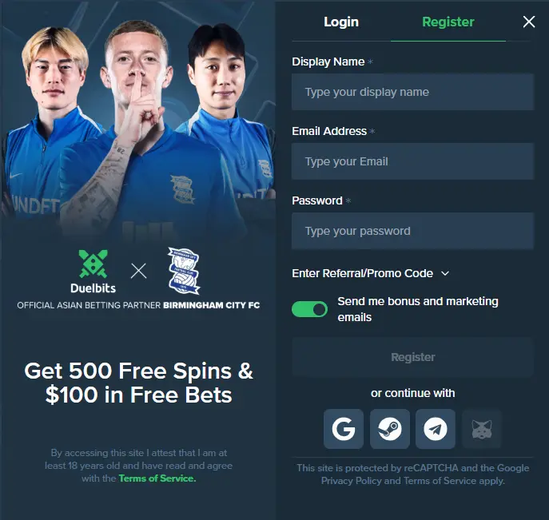
Using The Platform In Canada In 2026
For players in Canada, the practical question in 2026 is not hype. It is fit. Does the platform support the way you actually play? Can you access the account cleanly, move money in a controlled way, use mobile without guesswork, and find support or limits when you need them?
Availability should be treated responsibly. Adults in Canada should use the service only when it fits applicable rules, personal eligibility, and their own comfort with this kind of online entertainment. A careful player reads the terms that affect account use, payments, and restrictions before spending money.
Imagine two users. One signs up quickly, skips profile review, ignores control settings, and only reads the rules after a problem appears. The other spends fifteen extra minutes at the start, sets boundaries, checks the payment path, and understands how account recovery works. Over time, the second user almost always gets the smoother experience.
The real takeaway is simple. Good account access is not only about entering a password and reaching the lobby. It is about building a routine that stays clear under pressure: stable details, planned payments, controlled session length, and early use of support or timeout tools when needed.